Sustainable trading analytics capability, built to last
We partner with trading organizations to deploy purpose-built tools and train teams in new ways of working — turning analytics from a discrete project into a lasting, in-house capability.
Delivering Trading Analytics Capability
Rollout of a robust toolset drives a framework for new processes, upskilled teams, and measurable results.
Tools
- The Clio Toolkit catalyzes analytics transformations:
- Standardizes robust and efficient analytics
- Integrates trading analytics activity in a single system
- Uses embedded framework to guide performance management, operational capability (people), and work processes
Performance
- Management tools: Provide line of sight to drive profits (key performance dashboards: Model performance, analyst adjustment, forecast accuracy over time horizons, etc.)
- Change management plan: Addresses model conversion, training schedules, documentation, etc.
People
- Apprenticeship: Delivers real analytics tools via training classes (use models, create data, transition models, visualize data)
- Turnover planning: Enables a broad range of skill levels to continually learn and use the toolkit effectively
Processes
- Standardizes methods for: Model build out, quality assurance, analysis and reviews
- Documents: Work processes that naturally draw on tools, ensuring common approaches across the organization
The Purpose of the Clio Toolkit
A Supply & Demand forecasting platform built for speed, transparency, and continuous improvement.
Deliver Commodity Trading Analytics
The toolkit was exclusively designed to enable robust and efficient commodity trading analytics, yielding trading decisions you can trust.
Integrate Across the Organization
Many analysts can work in one system: aggregate regional balances, analyze across commodities, feed one model's output into the next.
Enable Operational Simplicity
Easy to work with, even for non-professional analysts.
Provide for Audit at Scale
Quality Transparency: the system compiles KPIs for model performance, analyst adjustments, input freshness, and forecast quality by time horizon — aggregating data for the entire organization in one place.
Embedded Improvement Cycle
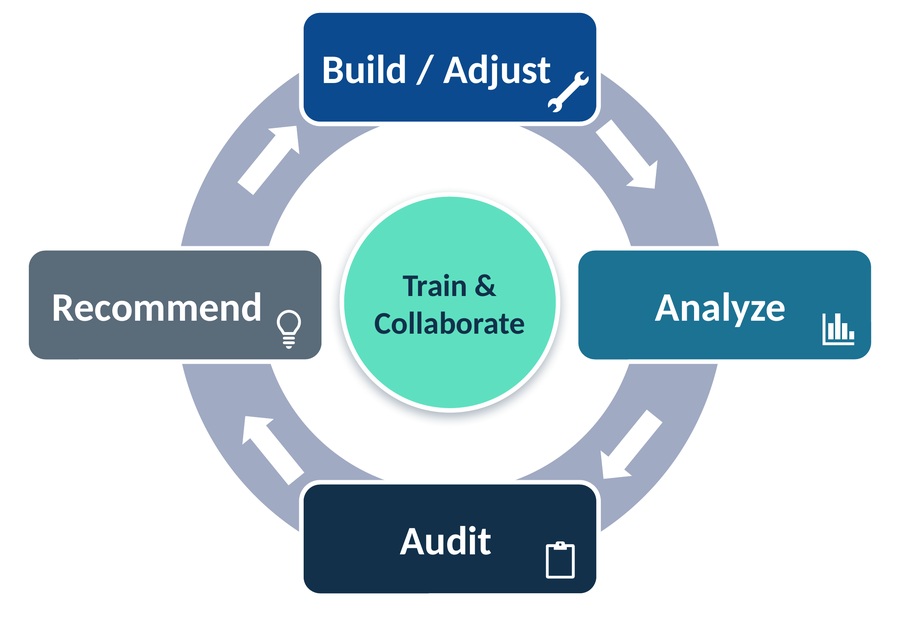
Analytics improves with every cycle